Biometric Readers, RFID, Gate Barriers, Time & Attendance Systems
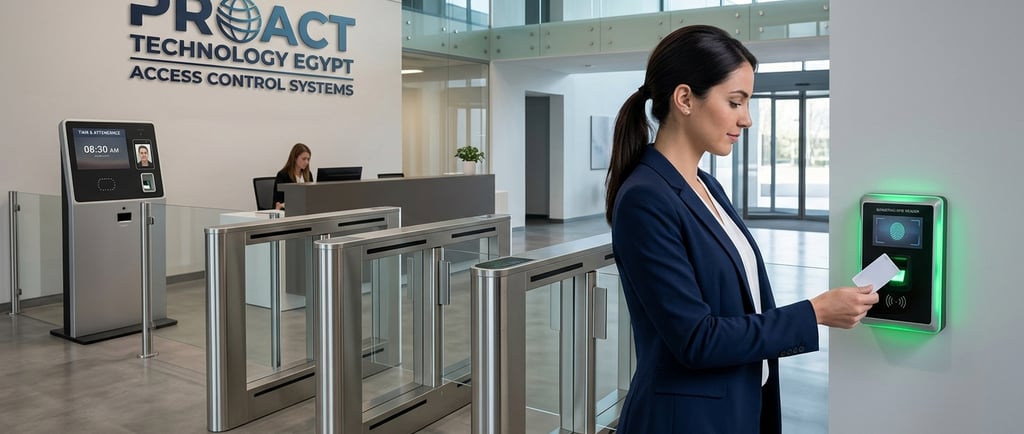
At ProAct Technology Egypt, we redefine facility security through advanced Access Control Systems (ACS) that go beyond simple locks and keys. By leveraging System Integration and Smart Infrastructure, we provide businesses with Centralized Control over their most sensitive areas, ensuring that only the right people have access at the right time. Our comprehensive ACS solutions include: Biometric Readers & RFID: Cutting-edge identification technology using fingerprints, facial recognition, or secure smart cards to eliminate unauthorized entry. Gate Barriers: Robust physical security for vehicle management, integrated seamlessly with your site's perimeter defenses. Time & Attendance Systems: Driving Efficiency by automating employee logs, which streamlines payroll and enhances workforce management. As part of the Digital Transformation journey, our systems are built for Interoperability, allowing you to sync security data with your wider Building Management System (BMS). Experience the peace of mind that comes from a world driven by precision, connectivity, and Low Power Consumption technology.
ELV SYSTEMS
wwahab
4/16/20264 min read
Quick Summary:
An access control system manages who can enter a facility and when, using credentials like PINs or biometrics. It enhances security, operational efficiency, and compliance. Restricting unauthorized access protects sensitive areas, tracks activity, and ensures workplace safety. Modern systems offer features like biometric authentication and cloud-based management.
Imagine entering a facility where every door recognizes you, granting seamless entry while maintaining absolute privacy and impenetrable security. In this environment, the "unauthorized person" simply doesn't exist. While this might sound like a scene from a Hollywood blockbuster, it is the standard promised by a world-class Access Control System (ACS).
The reality today is sobering: studies show that over 60% of security breaches occur because of unauthorized physical access. From multinational corporations to growing local businesses, the risk is the same. Without a robust system, your sensitive data, high-value assets, and even your Time & Attendance integrity are vulnerable.
That is where ProAct Technology Egypt steps in.
What is an Access Control System?
An Access Control System is a digital gatekeeper. It is a sophisticated System Integration solution designed to manage who enters your facility, where they can go, and exactly when they are permitted to be there—whether they arrive on foot or through vehicle Gate Barriers.
Why It Matters in Today’s World
An effective system is far more than a set of electronic locks; it is a strategic layer of Smart Infrastructure that provides:
Enhanced Security: By utilizing Biometric Readers and RFID technology, you ensure that only verified individuals enter restricted zones, effectively neutralizing workplace threats.
Operational Efficiency: Move beyond the liability of physical keys. Employees enjoy a frictionless experience, while management benefits from automated Digital Transformation.
Regulatory Compliance: For many sectors in Egypt, advanced access control is no longer optional—it is a legal requirement for data protection and site safety.
Real-Time Audit Trails: Every entry and exit creates a digital footprint. These detailed logs are essential for Centralized Control and supporting internal investigations.
The Mechanics of Security: How an Access Control System Functions
While the technology behind electronic access control is highly sophisticated, the core logic is elegantly simple: it serves as a digital decision-maker that governs the "Who, Where, and When" of your facility. By replacing physical keys with digital credentials—such as an RFID badge, a biometric fingerprint, or a facial recognition scan—the system automates your security perimeter.
At ProAct Technology Egypt, we design these systems to function as a seamless part of your Smart Infrastructure, operating in four critical stages:
1. User Identification & Credentials
The process begins when a user presents their unique identifier to a reader. In a modern Digital Transformation landscape, this can range from standard RFID cards and PIN codes to advanced Biometric Readers. These devices capture the data and instantly transmit it to the central controller for verification.
2. Intelligent Permission Matching
Once the system receives the credentials, it performs a lightning-fast check against a pre-configured database. This is where Centralized Control shines; the system verifies if that specific individual has the authorization to enter that specific door at that specific time (for example, ensuring a contractor can only enter during business hours).
3. Real-Time Access Decision
After matching the permissions, the system sends an immediate command to the hardware. If authorized, the electronic lock or Gate Barrier releases, granting entry. If the credentials don't match, access is denied, and the door remains secure. This automated "gatekeeper" ensures that human error—like forgetting to lock a door—is eliminated.
4. The Digital Paper Trail (Activity Logging)
Every single interaction—whether a successful entry or a denied attempt—is recorded in a permanent Audit Trail. These logs are vital for Efficiency and security reviews, providing management with a clear, timestamped history of all movements throughout the building. This data can even be integrated with Time & Attendance Systems to streamline HR and payroll processes.
The Architecture of Security: Critical Components of an ACS
A robust Access Control System is more than just a standalone device; it is a synchronized ecosystem of hardware and software. At ProAct Technology Egypt, we integrate these high-quality components to create a seamless security shield:
Access Credentials (RFID & Mobile): Replacing traditional keys, these unique identifiers—ranging from wallet-sized RFID cards to encrypted mobile apps—allow for precise permissions and are easily deactivated if lost.
Intelligent Readers: These devices serve as the front line of your system. Depending on your security needs, users may use "contactless" proximity readers, smart card inserters, or advanced Biometric Readers.
Secure Keypads: For sites requiring Two-Factor Authentication (2FA), keypads allow for a PIN-code requirement in addition to a card or biometric scan, doubling the security layer.
Electric Lock Hardware: The physical enforcement of the system. We utilize high-grade electromagnetic locks (mag-locks) or electric strikes that integrate directly with the building’s power and safety circuits.
Integrated Alarm Systems: Security isn't just about keeping people out; it’s about safety. Our systems are programmed to trigger alarms during unauthorized breaches and can automatically release locks during fire emergencies for a safe evacuation.
Field Control Panels: These are the local "brains" of the operation. They process access requests instantly, ensuring that even if the main server is offline, your building remains secure and functional.
Centralized Management Software: The command center of your Digital Transformation. This software allows administrators to update permissions globally, monitor live activity, and generate reports from any remote location.
Strategic Advantages: Why Your Business Needs Modern ACS
Implementing a professional access control solution through ProAct Technology Egypt provides measurable improvements to your operational Efficiency:
Impenetrable Security: By ensuring only authorized personnel enter specific zones, you drastically reduce the risk of theft and internal threats, creating a safer environment for your staff and assets.
Operational Streamlining: Eliminate the cost and hassle of re-keying locks. Automation saves time for both HR and Security teams, especially within large-scale Smart Infrastructure.
Comprehensive Audit Trails: With detailed, timestamped logs of every entry and exit, your organization can monitor movement patterns and investigate incidents with 100% accuracy.
Low Power Consumption & Sustainability: Modern ELV components are designed for energy efficiency, contributing to lower overhead costs while maintaining 24/7 protection.
Standard Features of Modern Access Control Systems
Security access control systems are more advanced than ever. Here are some features you’ll often find:
Biometric Authentication
Access control systems use biometric systems to identify people via fingerprints, facial recognition, or retinal scans. Airports, for example, utilize facial recognition to expedite security while increasing workplace safety.
Cloud-Based Management
Cloud integration allows remote management. Administrators can update permissions or monitor access from anywhere. For example, a company with multiple branches can manage all systems centrally.
Mobile Access Integration
Modern security solutions let users access facilities using smartphones. Employees can unlock office doors with their phones using NFC or Bluetooth.
Real-Time Alerts
Visitor management systems notify administrators immediately if someone tries to gain unauthorized access. This feature is crucial for responding quickly to security threats.
At Proact, your success is our purpose
© 2025. All rights reserved.
Contact
Phone: +201031314664
Email: sales@prosys-eg.com
Address: Mokattam, Cairo, Egypt